 Cartalax Bioregulator Kit
$550Select options

Royal Peptides products are offered exclusively for laboratory research, analytical, and scientific applications. Not for human or veterinary use.
Royal Peptides supplies compounds intended for controlled laboratory research and analytical applications.
Where applicable, Royal Peptides research materials are supplied in lyophilized form.
Lyophilization is a freeze-drying process used to remove moisture from material under controlled conditions.
Storage requirements may vary by compound, formulation, and production lot. Refer to the product label and available product-specific documentation.
Packaging components may vary slightly between production lots. This can include vial closures, cap styles, label positioning, and external packaging.
Cartalax 20mg is a research-grade short peptide bioregulator identified by the amino-acid sequence Ala-Glu-Asp (AED) and also referenced as T-31. This compact tripeptide has been investigated in experimental research involving cartilage-associated cellular pathways, chondrogenic differentiation, mesenchymal stem cells, extracellular matrix biology, cellular aging and peptide-mediated gene regulation.
Cartalax peptide is a synthetic short-chain tripeptide consisting of alanine, glutamic acid and aspartic acid. It belongs to the broader class of compounds commonly described as short peptide bioregulators.
Cartalax is notable for its compact molecular structure. While many research peptides contain considerably longer amino-acid chains, Cartalax consists of only three amino-acid residues.
Short peptide sequences such as AED have attracted scientific interest in experimental research examining cellular signaling, differentiation, gene expression and tissue-associated regulatory processes.
The AED peptide sequence is also referenced in peptide-bioregulator research by the designation T-31.
Research involving Cartalax and the Ala-Glu-Asp peptide has focused primarily on experimental cellular and molecular models.
AED has been investigated in experimental models involving cartilage-associated cellular pathways, chondrogenic differentiation and cartilage matrix biology.
Short regulatory peptides have been examined in models involving replicative aging and differentiation of human mesenchymal stem cells.
Short peptide bioregulators are investigated for possible interactions with mechanisms involved in gene activity, cellular differentiation and regulatory signaling.
Cartalax-related experimental research includes extracellular matrix biology, matrix-associated protein expression and connective-tissue cellular processes.
One area of scientific interest surrounding Cartalax AED peptide research involves chondrogenic differentiation and cartilage-associated cellular pathways.
Experimental research involving short peptides has examined changes in gene and protein expression associated with the differentiation of mesenchymal stem cells toward cartilage-associated cellular phenotypes.
Research in these experimental models has evaluated cartilage-associated markers including SOX9, aggrecan, type II collagen and cartilage oligomeric matrix protein (COMP).
Cartalax belongs to a research category commonly referred to as peptide bioregulators. These compounds generally consist of unusually short amino-acid sequences and have been investigated in experimental models involving tissue-associated cellular regulation.
Because Cartalax contains only three amino acids, researchers can investigate a precisely defined molecular sequence when examining hypotheses involving short-peptide signaling, cellular differentiation and gene-expression processes.
Research into short peptide bioregulators remains an evolving field. Findings observed in experimental or cell-culture models cannot automatically be extrapolated to clinical effects.
Cartalax is sometimes confused with Epitalon (Epithalon) because their amino-acid sequences are closely related. They are nevertheless chemically distinct research peptides.
AED
Three amino-acid residues.
AEDG
Four amino-acid residues.
The additional glycine residue in AEDG makes Epitalon structurally distinct from Cartalax. The two sequences should not be treated as interchangeable research materials.
Scientific interest in Cartalax peptide is partly related to the simplicity of its AED sequence. A compound containing only three amino-acid residues provides researchers with a compact model for studying how short peptide sequences may interact with cellular regulatory systems.
Cartalax research therefore intersects with broader investigations into cellular aging, differentiation, extracellular matrix biology, connective-tissue models and gene regulation.
The evidence base for Cartalax remains more limited than for many extensively characterized research peptides. Additional independent replication and mechanistic research remain important.
Cartalax is part of a broader group of bioregulator peptides investigated in experimental models involving tissue-specific gene expression, cellular signaling, differentiation, aging and organ-associated regulatory pathways.
Royal Peptides offers individual bioregulators alongside 20mg research formats and 10-vial research kits, allowing laboratories to investigate multiple short peptide sequences across different tissue-associated research models.
The broader bioregulator research collection includes compounds associated with neurological, cardiovascular, pulmonary, hepatic, pancreatic, endocrine, immune, vascular, reproductive and connective-tissue experimental research.
Investigated in experimental models involving bronchial tissue, pulmonary cellular regulation and respiratory biology.
Associated with research involving myocardial cellular biology and cardiovascular tissue-associated pathways.
AED peptide investigated in chondrogenic differentiation, extracellular matrix biology and cartilage-associated pathways.
Associated with experimental pulmonary tissue and respiratory-system cellular research.
Investigated in experimental models involving neural tissue, neuronal signaling and nervous-system biology.
Studied in experimental research involving immune-cell signaling and lymphocyte-associated pathways.
Investigated in laboratory models involving liver-associated cellular processes and hepatic tissue biology.
Associated with experimental investigation of ovarian tissue and reproductive-system cellular pathways.
Studied in experimental models involving pancreatic cellular biology and metabolic regulatory pathways.
Investigated in neuroscience models involving neuronal signaling, cellular aging and oxidative-stress pathways.
Associated with experimental prostate tissue biology and tissue-specific cellular regulation.
Investigated in laboratory models involving testicular tissue and endocrine-associated cellular pathways.
Studied in experimental research involving thymic biology and immune-associated cellular signaling.
Investigated in models involving vascular tissue, endothelial-cell biology and vessel-associated pathways.
Studied within research involving short peptide regulation, cellular signaling and tissue-associated processes.
Investigated in research involving thyrotropin-releasing hormone signaling and hypothalamic-pituitary-thyroid pathways.
Cartalax is a short synthetic tripeptide commonly identified as Ala-Glu-Asp (AED) or T-31 and studied within the broader field of short peptide bioregulator research.
The Cartalax peptide sequence is Ala-Glu-Asp, abbreviated AED. It contains alanine, glutamic acid and aspartic acid.
Experimental research involving AED has included cartilage-associated cellular pathways, chondrogenic differentiation, mesenchymal stem cells, extracellular matrix biology, cellular aging and gene-expression processes.
Cartalax is commonly categorized within short peptide bioregulator research. Its AED sequence contains three amino-acid residues.
No. Cartalax is AED (Ala-Glu-Asp), while Epitalon is AEDG (Ala-Glu-Asp-Gly). They are distinct peptide sequences.
Cartalax contains three amino-acid residues, making it a tripeptide.
AED represents the one-letter amino-acid abbreviations for alanine (A), glutamic acid (E) and aspartic acid (D).
No. Cartalax is an experimental research compound and is not an approved medication. It is supplied strictly for laboratory research purposes.
Product information pulled directly from WooCommerce.
Review available analytical documentation for the applicable product and batch.
View Analytical Documentation →Match available documentation to the applicable research material and batch.
Review the analytical information provided for the selected batch where available.
Keep relevant product and batch documentation with your research records.
Shipping options and delivery estimates are shown at checkout. Refer to the product label and applicable documentation for handling and storage information.
Complete payment using the available methods presented during checkout.
Tracking information is provided when available for the selected delivery service.
Use the product label and applicable documentation for handling and storage guidance.

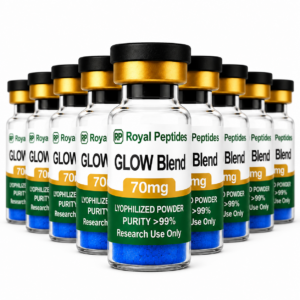

 Cartalax Bioregulator KitCartalax Bioregulator Kit
PREMIUM RESEARCH MATERIALS
You must be at least 21 years old to enter. All products are intended strictly for laboratory research only — not for human or veterinary use or consumption.
INDEPENDENT RESEARCH • QUALITY • TRANSPARENCY
Verification remembered for 30 days