Research Material • NAD+
NAD+ Research Material
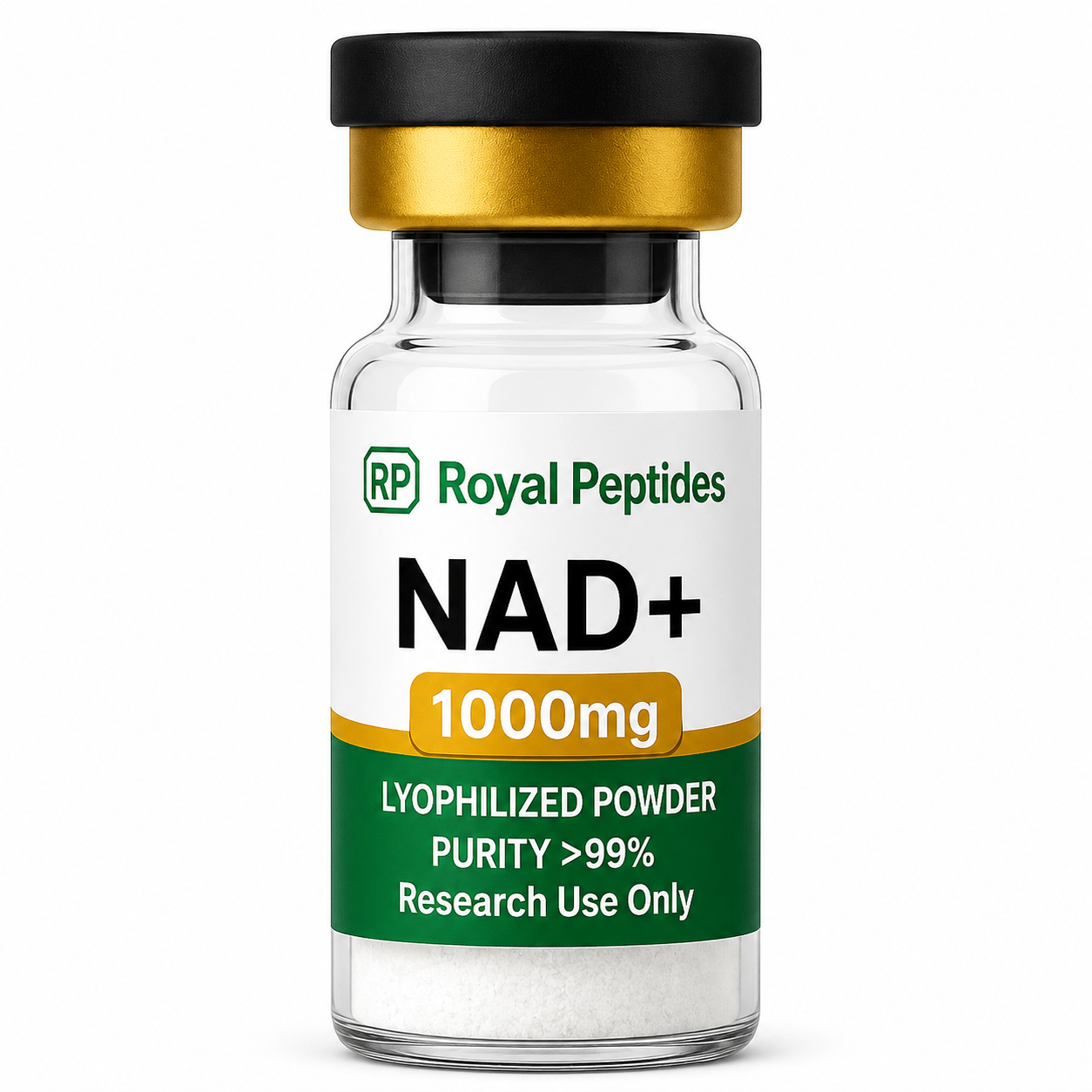
Nicotinamide adenine dinucleotide (NAD+) is a naturally occurring
biological coenzyme and extensively studied biochemical research
material supplied by Royal Peptides for controlled laboratory,
analytical, and scientific research applications.
NAD+
500 mg / 1000 mg
Lyophilized Material
Biochemical Research
Batch Traceability
Research Use Only
Not for human or veterinary use, administration, ingestion,
injection, compounding, diagnostic, therapeutic, clinical,
or personal use.
01
Compound Profile
Nicotinamide Adenine Dinucleotide
NAD+ is the oxidized form of nicotinamide adenine dinucleotide,
a naturally occurring coenzyme found across living systems and
extensively characterized in biochemical research.
In laboratory literature, NAD+ is principally recognized for its
role as an electron carrier and cofactor in numerous biochemical
reactions. The NAD+/NADH redox pair is therefore an important
experimental subject in research involving cellular chemistry,
enzymology, metabolism, and molecular biology.
Royal Peptides supplies NAD+ strictly as a laboratory research
material. It is not represented as a medicine, dietary supplement,
pharmaceutical preparation, or consumer health product.
02
Material Identification
NAD+ Research Specifications
Clear compound identification and lot-level documentation support
controlled laboratory workflows and help researchers maintain
traceability between experimental material and analytical records.
Compound
NAD+
Nicotinamide adenine dinucleotide
Material Class
Coenzyme
Biochemical research material
Available Material
500 / 1000 mg
Product variation dependent
Format
Lyophilized
Laboratory research material
03
Biochemical Context
NAD+ in Laboratory Research
NAD+ has an established biochemical identity and is studied across
numerous laboratory disciplines. The areas below describe general
scientific research contexts rather than intended uses of this
product.
Redox Chemistry
NAD+ and NADH form a widely studied redox pair involved in
electron-transfer reactions and experimental investigation
of oxidation-reduction chemistry.
Enzyme Research
NAD+ serves as a cofactor or substrate in multiple characterized
biochemical pathways, making it relevant to controlled
enzymology and molecular research.
Cellular Metabolism Research
Researchers study NAD+-dependent chemistry when investigating
experimental models of cellular energy transfer and metabolic
biochemical pathways.
Molecular Biology
NAD+ is investigated in laboratory research involving
NAD+-dependent enzymes, molecular interactions, and associated
biochemical signaling systems.
04
Research Chemistry
The NAD+ / NADH Redox Pair
A central feature of NAD+ research is its reversible relationship
with NADH. NAD+ can participate as an electron-accepting species
in biochemical reactions, while NADH represents its reduced form.
This reversible redox chemistry has made the NAD+/NADH pair an
important analytical reference in experimental biochemistry.
Laboratories may investigate these molecular relationships using
appropriately designed analytical systems and validated methods.
NAD+
The oxidized member of the NAD+/NADH redox pair and the
material identified in this Royal Peptides research product.
NADH
The reduced form associated with the reversible electron-transfer
chemistry studied in biochemical laboratory systems.
05
Quality Documentation
Batch-Specific Analytical Information
Laboratory evaluation should rely on documentation associated with
the specific production lot being investigated. General product-page
information should not replace applicable batch-specific analytical
records.
- Compound identification
- Production lot or batch reference
- Declared material quantity
- Analytical testing information
- Purity information where applicable
- Testing methodology where documented
- Certificate of Analysis information where available
- Research material traceability
06
Traceability
Research Records & Lot Control
Maintaining appropriate material records allows researchers to
associate analytical observations with the specific NAD+ production
lot incorporated into a laboratory workflow.
Material Records
Record the compound identity, stated material quantity,
applicable production lot or batch reference, date received,
and relevant internal laboratory identifier.
Analytical Records
Preserve applicable analytical documentation, laboratory
observations, results, storage records, and other research
records associated with the material.
07
Laboratory Protocol
Handling & Storage
NAD+ research material should be handled using appropriate
laboratory procedures designed to preserve material identity,
minimize contamination, and maintain experimental traceability.
Laboratory Handling
Handle using appropriate laboratory practices and equipment.
Maintain clear material identification throughout receipt,
storage, analytical preparation, and experimental workflows.
Storage Documentation
Follow storage information associated with the applicable
product label and batch documentation. Maintain appropriate
laboratory storage records for the specific material received.
08
Important Restrictions
Research Use Limitations
Royal Peptides NAD+ is supplied exclusively as a laboratory
research material and is not intended for consumer, medical,
clinical, diagnostic, or veterinary applications.
- Not for human administration
- Not for veterinary administration
- Not for ingestion or injection
- Not for personal experimentation
- Not for pharmaceutical compounding
- Not for pharmacy preparation
- Not for diagnostic or therapeutic use
- Not for clinical use
09
Research FAQ
NAD+ Research Questions
What is NAD+?
NAD+ stands for nicotinamide adenine dinucleotide. It is a
naturally occurring coenzyme extensively characterized in
biochemical and molecular research.
Is NAD+ a peptide?
No. NAD+ is a nucleotide-derived coenzyme rather than a peptide.
It is included in the Royal Peptides research catalog as a
biochemical research material.
What quantities are available?
Royal Peptides NAD+ research material is available in multiple
product variations, including 500 mg and 1000 mg. Refer to the
product variation selected above for the applicable quantity.
What is the difference between NAD+ and NADH?
NAD+ is the oxidized member of the NAD+/NADH redox pair, while
NADH is its reduced form. Their reversible relationship is
extensively studied in experimental biochemistry.
Is this NAD+ intended for human use?
No. Royal Peptides supplies this material strictly for
laboratory research. It is not intended for human or veterinary
administration.
Does Royal Peptides provide dosing instructions?
No. Royal Peptides does not provide dosing, administration,
injection, prescribing, treatment, or personal-use instructions
for this research material.
Why is the batch number important?
Batch-specific analytical documentation corresponds to a
particular production lot. Recording the applicable lot
reference helps maintain traceability between the material,
analytical documentation, and laboratory records.
Is analytical documentation available?
Batch-specific analytical documentation may be available
for the applicable production lot. Researchers should review
documentation corresponding to the specific material received.
Research Use Only
Laboratory Research Material
NAD+ is supplied for laboratory research use only. Not for human
or veterinary use. Not intended for administration, ingestion,
injection, personal experimentation, pharmaceutical compounding,
pharmacy preparation, diagnostic use, therapeutic use, or clinical
use. Nothing on this page constitutes medical advice or represents
this research material as intended to diagnose, treat, cure,
mitigate, or prevent any disease or medical condition.


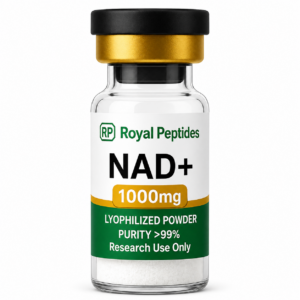 NAD+ (Nicotinamide Adenine Dinucleotide)