
Research use only
Laboratory research materials
Royal Peptides products are offered exclusively for laboratory research, analytical and scientific applications. Not for human or veterinary use.
01Research product information
Royal Peptides supplies compounds intended for controlled laboratory research and analytical applications.
- For research and analytical use only
- Not intended for human consumption or administration
- Not intended for veterinary use
- Not represented as a drug, medicine or therapeutic product
- Laboratory researchers are responsible for appropriate protocols and controls
Research onlyLaboratory materialAnalytical use
02Lyophilized product format
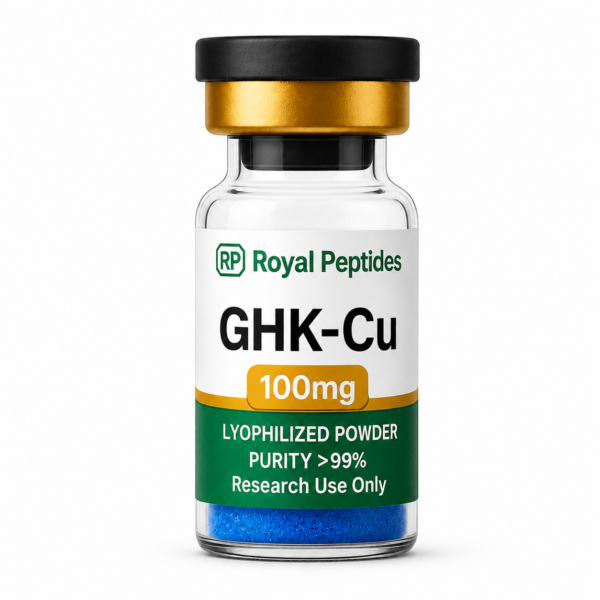
Where applicable, Royal Peptides research materials are supplied in lyophilized form. Lyophilization is a freeze-drying process used to remove moisture from material under controlled conditions.
- Material appearance may differ between compounds and production lots
- Lyophilized material may appear as a cake, film or fragmented material
- The quantity of visible material may appear small relative to vial size
- Visual appearance alone does not establish identity or purity
03Storage & laboratory handling
Storage requirements may vary by compound, formulation and production lot. Refer to the product label and available product-specific documentation.
- Protect research materials from excessive heat
- Limit unnecessary exposure to direct light and moisture
- Keep containers securely closed when stored
- Follow product-specific temperature requirements when provided
- Use appropriate laboratory contamination-control procedures
04Packaging & quality documentation
Packaging components may vary slightly between production lots. This can include vial closures, cap styles, label positioning and external packaging.
- Check the product label and lot identifier before laboratory use
- Inspect the vial and closure for visible shipping damage
- Packaging design may differ between batches
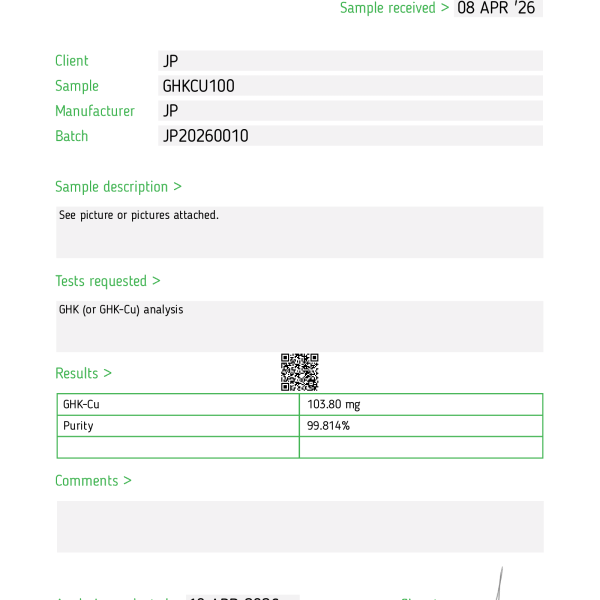
- Lot-specific analytical documentation may be available in our COA library
Healing & Growth In stock
Selank 10mg
Price range: $65.00 through $430.00
$4.30/mg
Please review before orderingImportant product notice
10-vial kits — vials are not individually labeled
10-vial research kits are supplied without individual vial labels. Product and batch identification are provided with the kit packaging.
Reconstitution materials
For reconstitution-related research, use Royal Peptides® Reconstitution Solution ↗ or a genuine manufacturer-sealed Hospira® / Pfizer® product where applicable.
Support notice
Support may be limited when unverified third-party materials are used.
Third-party testedBatch COA on file
Same-day shippingOn in-stock orders
Discreet & securePlain packaging
Research noticeFor laboratory and research purposes only. Not intended for human consumption, diagnostic or therapeutic use, or administration to humans or animals.
Research specifications
Amino acid sequence & breakdown
1T
2K
3P
4R
5P
6G
7P
Standard residueModified residueConjugation site
7-residue backbone
Each numbered tile represents one amino acid. No unverified chemical modifications are assigned.
| PubChem CID | 11765600 |
|---|---|
| Application | Experimental neuropeptide signaling research |
| Also known as | Thr-Lys-Pro-Arg-Pro-Gly-Pro |
| Sequence | TKPRPGP |
| Molecular formula | C33H57N11O9 |
| Molecular weight | 751.9 g/mol |
| CAS number | 129954-34-3 |
| Purity specification | ≥99% |
| Form | Lyophilized powder |
| Storage | Store at −20°C |
Research specifications
- Compound
- Selank
- Choose an option
- Single Vial, KIT( 10 Vials)
- Format
- Single vial
- Use
- Laboratory research only
Proof, not promises
Check the batch COA before you order
Independent lab results for each lot. Match the lot number on your vial to its report.
View Selank COAs →
Shipping & storage
Orders placed before the daily cut-off ship the same business day when in stock, in plain, secure packaging with tracking.
Store unopened vials frozen (−20 °C), protected from light and moisture. Follow the storage conditions on the product label and the batch COA.
Related products

−20%
Metabolic Research Batch COA available
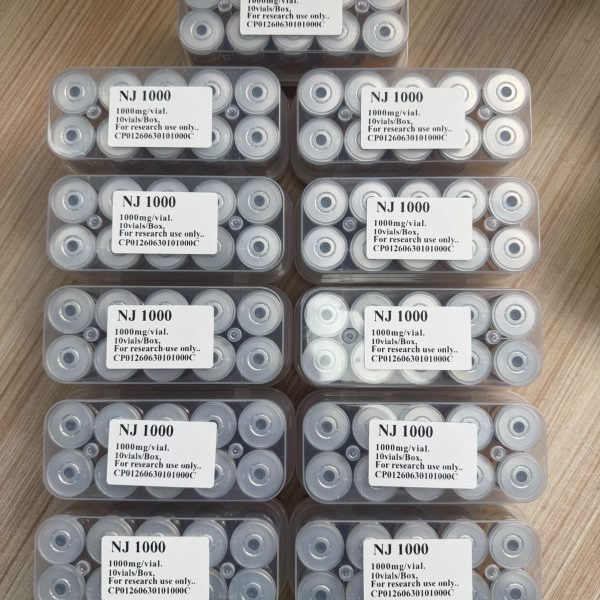
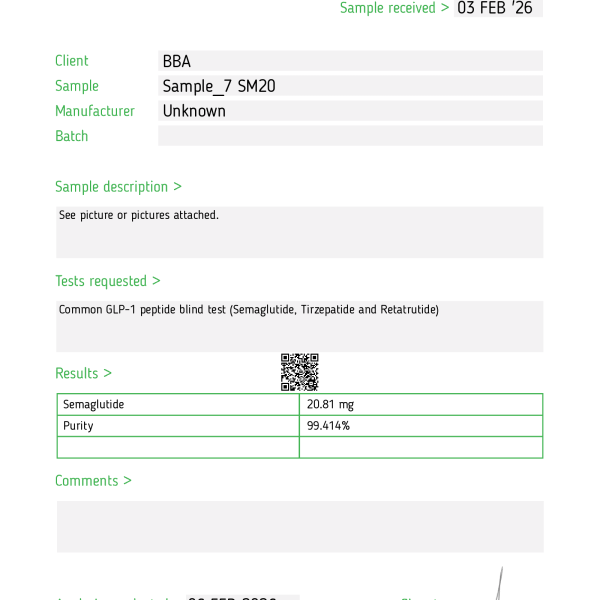
Semaglutide 10-Pack Kits SM
Original price was: $235.00.$188.00Current price is: $188.00.
Up to −11%
Healing & Growth Batch COA available
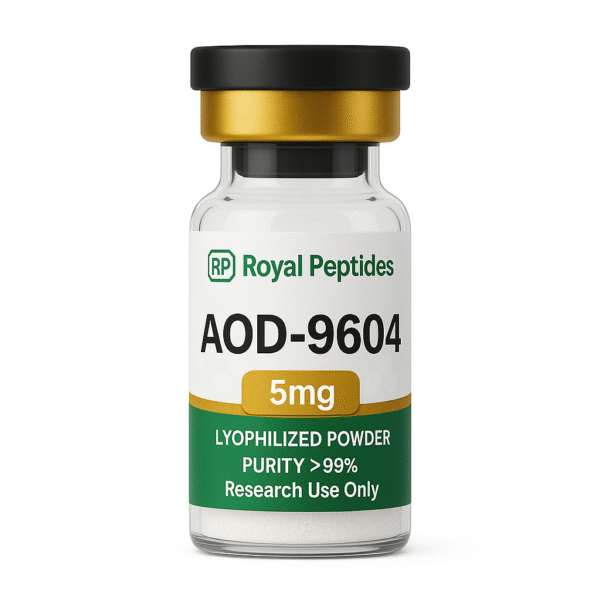
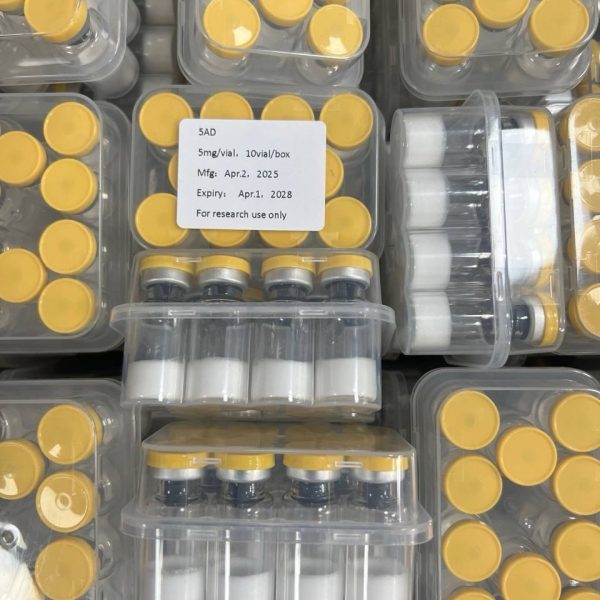
AOD-9604 5mg
Original price was: $480.00.$425.00Current price is: $425.00.